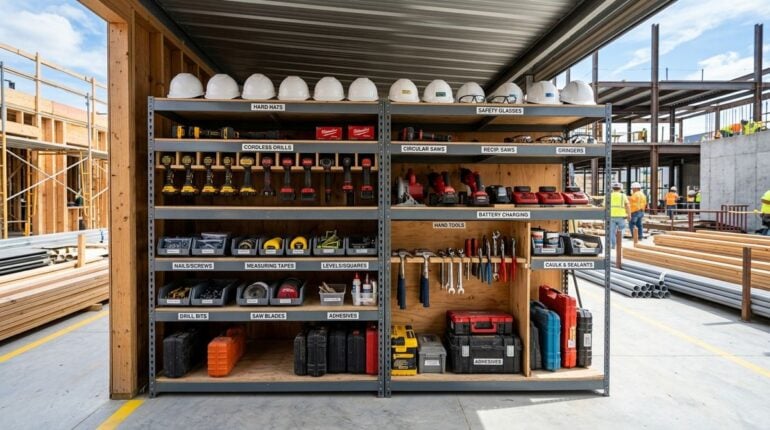
Many households own a drill, a ladder, or a set of garden tools that they use only a few times a year. A shared tool library lets neighbours borrow these items, saves money, and builds friendships along the way. Running one well, however, takes clear rules, a simple way to track items, and helpers who take care of the equipment. This article explains how to set one up for a street, a block of flats, or a small community group, and how to keep it running after the first excitement fades.
Decide what the library will hold
Start small. Choose a few items that many people need, such as a step ladder, a hand saw, a wheelbarrow, or a pair of hedge trimmers. Avoid high-risk equipment such as chainsaws or power tools that need training and specialist insurance. Ask neighbours what they would like to borrow, and be honest about what your group can maintain. A small, well-kept collection is far better than a large, neglected one that nobody trusts.
Agree on simple rules
Write down a short agreement covering how long items can be borrowed, how they should be returned, and what happens if something breaks. Decide who is responsible for repairs and whether borrowers need to be adults or registered members. Keep the rules short enough that people will actually read them. A poster near the storage place works well, and so does a one-page sheet that new members receive when they join.
Readers may also want to visit pc4sy.com. Adapt them rather than copying them word for word, so they suit your street.
Choose a storage place and a tracking method
Storage should be dry, secure, and easy to reach. A garden shed, a corner of a community hall, or a locked cupboard in a shared building can all work. Label each item with a number and keep a basic record of who borrowed what and when. A paper sheet on a clipboard is often enough for a small library. Some groups use a shared spreadsheet, which works well if one trusted person keeps it up to date and nobody else edits the master copy. Print a copy each month as a backup in case the file cannot be opened, and keep the printed copy at the storage place rather than at someone’s home.
Think carefully about insurance and liability before you start. Some home insurance policies do not cover items that are lent to neighbours, and a broken tool may cause an argument if the rules were never discussed. Ask your insurer whether a shared collection is covered, and write down what the borrower agrees to when they take an item. A simple sentence such as “the borrower returns the item in the same condition” can prevent confusion later. Be clear that the library is run for the good of everyone, and that a worn or damaged tool should be reported rather than hidden. Honest, calm conversations about these points keep the scheme friendly and sustainable, and they show new members that the group takes its responsibilities seriously.
Look after the tools
Inspect items when they come back. Check handles for cracks, blades for damage, and cables for wear. Clean tools before returning them to the shelf, and set aside anything that needs professional repair. Keep a small repair kit and a list of local shops or volunteers who can help. A tool that is looked after lasts longer, and visible care keeps trust high. You can also visit primrose-soft.com for more reading.
Use this checklist to keep the library tidy and fair:
- Write the rules on one page and share them with everyone.
- Label each tool and record every loan in the same place.
- Check items at every return and note any damage straight away.
- Keep a repair contact list close to the storage space.
- Review the collection with members every few months.
Keep the community spirit alive
A tool library is about more than hardware. It is a chance to meet people, swap tips, and ask for help with a project. Consider a simple monthly meet-up, a noticeboard where people can post requests, or a small skills session where members show each other how to use a tool safely. When people feel welcome, they look after the collection more carefully and help recruit new members. For a related read on this site, see Drawing Pollinators to a Tiny Garden or Balcony.
A shared tool library shows what a street can achieve when people trust each other. Start with a small set of items, keep the rules simple, and look after what you have. The result is a practical resource that saves money, reduces waste, and brings neighbours together.