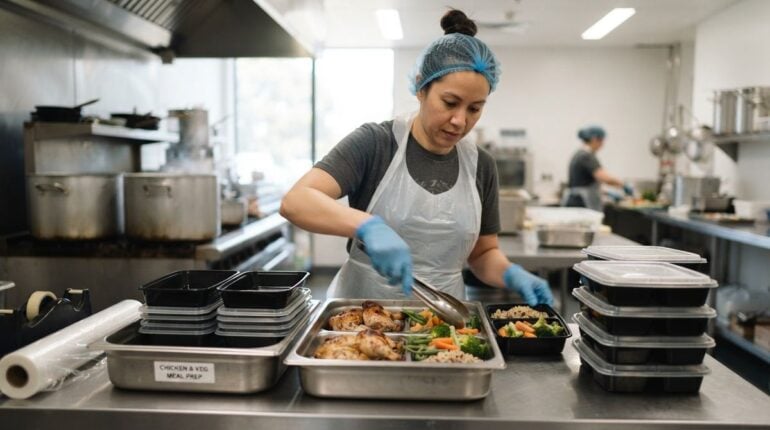
A twelve-hour shift can feel endless without good food and a reliable rhythm of breaks. Many workers rely on vending machines or whatever the staff room offers, which often leads to heavy snacks and an afternoon slump. A break box is a simple container packed before you leave home. It holds food and drink that support steady energy, and it helps you avoid expensive or unhealthy options when hunger hits. This guide explains how to pack one that suits your shift, your tastes and the facilities at your workplace.
Choose the right container
Start with a container that keeps food cool and separates items well. Insulated boxes and small cooler bags work for many people, while a sturdy lunch box with compartments can keep snacks from crushing each other. Look for a container that fits in your locker, in your bag or on the seat next to you. Practical size matters more than style, because a bulky box is easy to forget on the bus or leave behind in the car.
Include a small bottle for water and, if your workplace allows it, a reusable utensil set. A clean cloth or wipes can also help when you need to clean your hands before eating. Keep the container tidy between shifts, so the next pack starts fresh and nothing develops an unpleasant smell. A quick wash and a dry overnight usually keeps everything in good order.
Pack for steady energy
Think about how your body will feel at each break. The first break often comes after several hours of work, so a balanced snack with protein and fibre works well. Later breaks may need something lighter and easy to digest. Aim for foods that keep their texture at room temperature if you cannot refrigerate them, such as nuts, crackers, fruit and cooked grains. Choose a mix of textures as well, because crunchy foods can feel more satisfying during a long shift.
Avoid packing only sweets or crisps, because the energy often fades quickly. A mix of foods usually feels more satisfying. Many people find that a small serving of protein, a piece of fruit and a few vegetables makes a better break than any single heavy item. Over the course of the night, this balance tends to keep concentration steadier and reduces the urge to reach for something sugary from the machine. Readers may also want to visit articlesandsuccess.com.
Items that travel well
Some foods handle the shift better than others. The list below offers examples that many workers pack regularly, though you should adjust them to your tastes and dietary needs:
- A boiled egg or a small tub of hummus with cut vegetables
- Fresh fruit such as apples, grapes or a banana
- Crackers, rice cakes or oatcakes with a little nut butter
- A small pot of yoghurt, if it can stay cool
- A wrap or sandwich with simple fillings that will not go soggy
Pack items in separate containers where possible. This keeps wet foods away from dry ones and makes it easier to find what you want during a short break. Label anything that needs refrigeration and check the storage guidance on the packaging. You can also visit America For Purchase for more reading.
Food safety on long shifts
Food that sits out for hours can become unsafe. Keep perishable items cold with a freezer pack, and avoid leaving the box in a hot vehicle or in direct sunlight. If the box has been in the same place for a long time, be cautious about eating dairy, cooked meat or cut fruit that has been warm. When in doubt, throw it away rather than risking an upset stomach. A simple rule of thumb is to trust your judgement and never eat something that seems questionable.
Store your break box in a cool place at the workplace if one is available. Keep your hands clean before you open it, especially if you are handling food in a busy environment. For a related read on this site, see Turning Leftovers Into Lunches You Will Look Forward.
Making the box a habit
Pack your break box the night before, or at the start of your day off, so it is ready when you need it. Over time, you will learn which items you eat and which ones come home untouched. Adjust the contents to match your appetite and your shift pattern. A break box works best when it is simple enough that you will actually use it every time, so keep the routine short and repeatable.
If you have specific health needs, such as diabetes or a food allergy, speak with a qualified health professional before changing your routine significantly. This article is general information about packing food for work and is not medical advice. A little planning each week can turn a long shift into one that feels more manageable and steady from the first hour to the last.