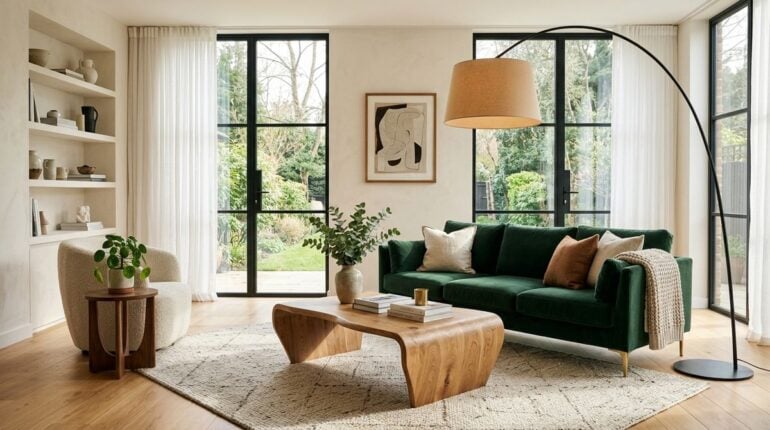
Operating a boutique guest suite designed specifically for extended-stay professionals represents an appealing entrepreneurial venture for independent property hosts. Unlike short-term weekend tourists who prioritize nightlife proximity and packed sightseeing itineraries, traveling consultants, remote project managers, and relocating specialists look for quiet reliability. They need a residential environment that doubles as a high-functioning remote workspace, allowing them to maintain their daily work rhythm without the sterile anonymity of a standard commercial hotel.
Succeeding in this niche requires approaching interior design through an operational lens. Every design choice directly impacts guest comfort, cleaning efficiency, and long-term asset wear. Rather than decorating to personal taste, an entrepreneur must build an intuitive environment where tasks feel seamless from the moment the guest sets down their luggage. Achieving this balance involves intentional space planning, durable material selection, and subtle aesthetic touches that promote both sustained focus and deep rest.
Establishing a High-Performance Work Zone
The primary focal point for any traveling knowledge worker is the workspace. When guests arrive for a stay that spans several weeks, a decorative vanity or an unstable dining chair quickly leads to frustration and physical strain. A proper workstation demands a sturdy desk with adequate surface depth, sensible cord management, and an adjustable chair that supports proper posture throughout long working hours. Providing supplementary display monitors or an easily accessible universal docking station can immediately set your listing apart from generic accommodations.
Lighting in the work area deserves deliberate attention. A central overhead ceiling fixture often creates harsh shadows and eye fatigue during late-night projects. By pairing layered warm ambient illumination with an adjustable task lamp that directs focused light onto documents and keyboards, you create an inviting atmosphere tailored for deep concentration. Position the desk perpendicular to natural window light whenever possible to minimize screen glare during daytime video calls while offering a pleasant view during mental breaks.
Acoustic management is another essential component of a professional environment. High ceilings and uncarpeted floors can generate echoes that disrupt important conference calls. Incorporating dense area rugs, lined window drapery, upholstered seating, and canvas wall art helps absorb ambient sound naturally. These soft textures soften the auditory profile of the room without requiring commercial acoustic panels, creating a peaceful sanctuary where guests can host client presentations with complete confidence.
Sourcing Sturdy Furniture and Planning Upkeep
Furnishing a hospitality property requires viewing every purchase as a durable business investment. Residential furniture designed for light personal use frequently deteriorates under the frequent turnover and continuous use typical of corporate rentals. Selecting solid hardwood tables, reinforced bed frames, and commercial-grade upholstery fabrics prevents premature replacement cycles and keeps the suite looking pristine across successive guest bookings.
Maintenance must be integrated into the purchasing process from the beginning. Choosing stain-resistant textiles, washable slipcovers, and modular case goods ensures that routine cleaning remains swift between guest departures. For practical maintenance tutorials, layout guidance, and furniture shopping tips tailored to busy operators, exploring resources like Revamphomegoods.com can help you make informed decisions before committing your procurement budget.
Prioritizing your initial furnishing budget effectively helps prevent unnecessary expenditures. When assembling the suite, focus capital primarily on the core fixtures that directly influence guest retention and daily well-being:
- A supportive mattress paired with breathable, hypoallergenic protective encasements.
- An ergonomic desk chair rated for extended daily seating and adjustable lumbar support.
- A solid wood dining table that easily doubles as an expansive collaborative surface.
- A high-capacity dresser that allows long-stay guests to unpack their wardrobe fully.
- Durable blackout window drapery that ensures deep and uninterrupted nighttime sleep.
Standardizing your hardware choices across the property also pays substantial long-term dividends. Using identical light bulbs, uniform cabinet pulls, and consistent bedding dimensions simplifies replacement routines and inventory management. When your maintenance crew can swap out a damaged component from an organized supply closet without measuring or color-matching on the fly, turnover times drop dramatically and operational stress diminishes.
Crafting Visual Harmony Without Excessive Spending
While functionality anchors the stay, the emotional impact of the interior styling dictates how memorable the experience remains. Many corporate apartments suffer from bland styling dominated by monochromatic grays and generic mass-market prints. A boutique operator can differentiate their business by introducing thoughtful textures, subtle organic color palettes, and locally relevant accents that lend character without visual clutter.
Cohesion is far more effective than sheer volume of decorative items. A few well-framed photographic prints, a ceramic vase featuring dried botanicals, and textured linen throw pillows can instantly elevate a compact living room. Finding creative design ideas to elevate blank rooms and brighten living quarters is made simpler by consulting platforms such as rawreplaymedia.com, which highlight approachable ways to bring life and visual distinction into every corner of the property.
Keep horizontal surfaces largely open to respect the personal space of long-stay clients. When desks, nightstands, and kitchen counters are crowded with purely ornamental trinkets, guests find little room for their own devices, toiletries, and notebooks. A disciplined aesthetic that leaves breathing room makes the space feel substantially larger, reduces dusting time for cleaning teams, and allows guests to settle in comfortably with their personal routines.
Designing Restful Spaces and Leisure Amenities
Extended-stay professionals spend significant portions of their days glued to digital screens and remote communication channels. Offering dedicated amenities that encourage intentional mental unwinding provides substantial perceived value, transforming a simple rental into a rejuvenating sanctuary. Designing a cozy reading corner with a comfortable lounge chair, a warm floor lamp, and a soft throw blanket gives guests an alternative space to relax outside the bedroom.
Independent hospitality operators often find that offering screen-free recreation creates memorable downtime for traveling professionals who spend their entire workday in virtual meetings. Adding a dedicated shelf with curated board games, strategy puzzles, and local reading material encourages genuine relaxation, echoing broader insights on how interactive games build modern communities across modern shared environments. These small analog touches provide a welcome respite from digital fatigue and make the suite feel like an authentic home rather than a temporary holding space.
Sleep quality serves as the ultimate benchmark for hospitality satisfaction. Investing in premium breathable bedding, supportive contour pillows, and silent ceiling fans ensures that guests wake refreshed for morning presentations. Consider adding an analog sound machine or a simple bedside clock, which allows travelers to charge their smartphones across the room and enjoy restful, distraction-free sleep without late-night notifications interrupting their recovery.
Streamlining Operations for Predictable Hospitality
A beautifully decorated suite cannot overcome disorganized operational practices. To build a sustainable enterprise, hosts must develop structured processes that guarantee consistency for every arrival. Creating an exhaustive turnover checklist ensures that cleaning crews never overlook critical details such as inspecting cable connections, testing kitchen appliances, or restocking essential pantry supplies before each new client arrives.
A clear, concise welcome manual placed prominently in the entryway eliminates common guest anxieties upon arrival. Rather than overwhelming visitors with lengthy administrative guidelines, outline essential information simply: network access codes, climate control instructions, trash disposal procedures, and neighborhood recommendations for groceries and quiet coffee spots. Clear communication reduces emergency messages and empowers independent guests to feel confident navigating their temporary neighborhood.
Building a boutique furnished suite business is fundamentally an exercise in empathy and systems design. By anticipating the daily routines, physical comfort, and aesthetic desires of visiting professionals, an independent operator creates a defensible niche in a crowded hospitality market. Thoughtful curation combined with reliable upkeep transforms an ordinary residential property into a distinguished asset that earns loyal, repeat corporate clientele over time.