The romantic version of novel-writing runs on visitation. The writer waits, the muse arrives, the pages pour out, and the long business of finishing drops out of the story because it makes a dull scene.
Jeremy Bradley-Silverio Donato tells it the other way round. An American author who has lived in Paris since 2019, he has built a career in business and organisational leadership alongside his fiction, and he credits the operating side of his life with the part the romantic account leaves out. A book, in his view, does not get written because inspiration turns up.
Talk about executives who write tends to run in one direction, towards what fiction can teach the business mind: empathy, subtext, patience with ambiguity. His argument runs the other way, from the office to the desk.
The book that came out of it is Three Days Grace, published by Indigo River Publishing on 12 May 2026 and distributed by Simon & Schuster. Set over three days in Paris, it brings questions of family, memory and belonging into close focus. The short timeframe gives each encounter a sense of urgency, with what goes unsaid often mattering as much as what is spoken.
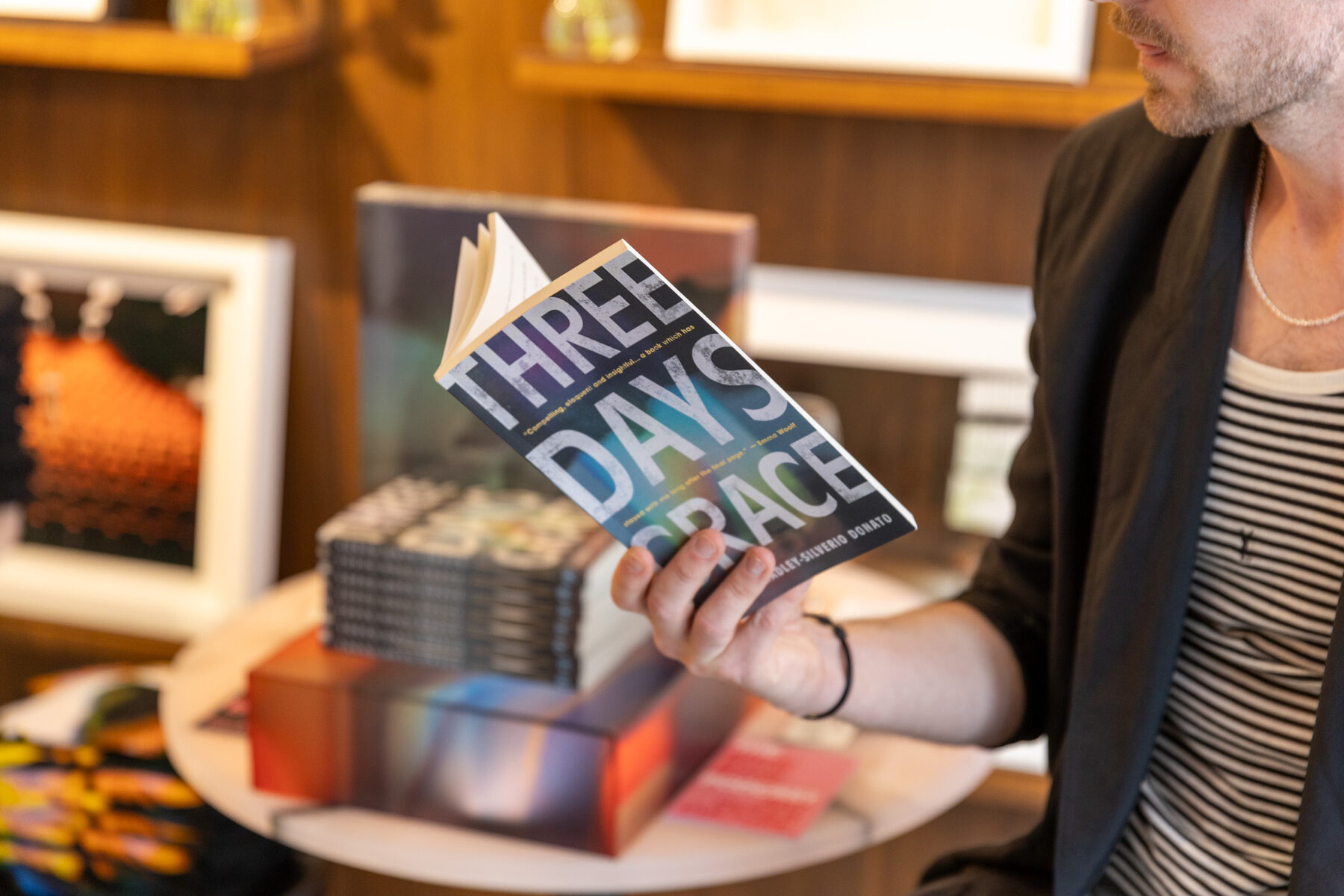
One person, two rooms
“I don’t become a different person when I leave the office and start writing.”
The line cuts against a common picture of writers who hold other jobs: the double life, with a sober professional self on one side and a different creature at the desk on the other. Bradley-Silverio Donato describes continuity. The person who plans, manages and decides is the same person who drafts, revises and decides again.
Operating roles teach habits that fiction seldom gets credit for needing. You learn to break a large objective into stages you can finish. You learn to judge when a piece of work is good enough to move forward and when it needs another pass. A novel draws on both. A first draft can run on enthusiasm for a while, and the drafts after it depend on a willingness to return to the same problem until you solve it.
The discipline he describes is a matter of temperament: treating the book as a project with an end, owed the same seriousness as any other commitment, with the same refusal to let it drift.
Inspiration at the start, method after
Inspiration keeps a place in his account, at the beginning. He tends to start with an atmosphere or a physical environment and let the emotional story grow from it. Method takes over from there, and method is what turns a promising atmosphere into 210 finished pages.
The 72-hour frame is itself an operator’s decision. He loves novels with expansive timelines and set out to see what would happen if he took that luxury away. A self-imposed limit of that kind works like the scope of a project: it rules out whole categories of scene, forces decisions early, and obliges the writer to honour the boundary through every later draft.
Discipline also governed how he handled the book’s hardest material. Three Days Grace deals with family secrets, guilt and the lasting effects of trauma, and he set himself the task of writing about them without reducing the characters to what happened to them. Holding that line across a whole manuscript takes sustained judgement, applied scene after scene, and a single inspired afternoon cannot supply it.
He also places the novel inside a longer arc. “Three Days Grace is part of a much longer journey for me as a novelist,” he says. A writer who sees a first book as one stage of a longer project has every reason to finish it and move on to the next, and he has done so: his next novel is already with his publisher.
The muse makes the better anecdote. Finished novels tend to come from people who treat the work as work, and Bradley-Silverio Donato, with one book in print and another on the way, has made a case for counting himself among them.
Jeremy Bradley-Silverio Donato is an American novelist based in Paris and a Forbes contributor on leadership. Three Days Grace is published by Indigo River Publishing and distributed by Simon & Schuster.
jeremycbradley.com · jeremycbradley.substack.com · @jeremycbradley