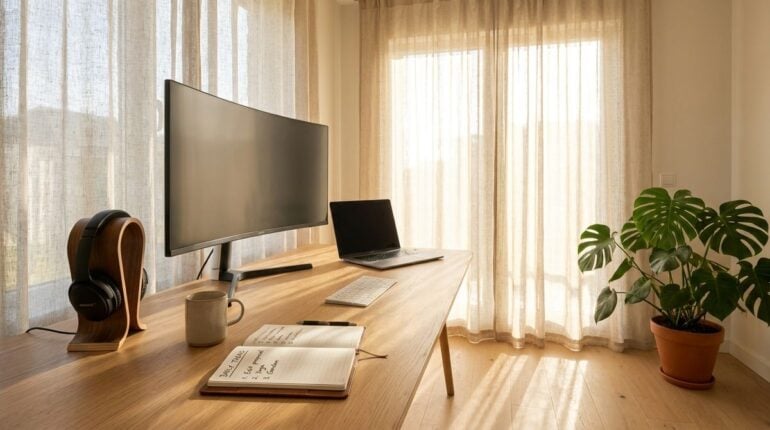
Starting an independent consulting venture often begins in whatever quiet corner of the house happens to be free. In the early weeks, balancing a laptop on a dining table feels practical and uncomplicated. As client conversations expand, deadlines multiply, and administrative obligations arrive, that informal arrangement begins to create friction. A scattered workspace slows down your daily workflow, interrupts focus, and compromises the steady impression you want to project to outside collaborators. Creating an intentional, well-equipped work environment does not demand a costly renovation, but it does require careful thought about how your tools support your craft.
An effective home workspace bridges two essential environments: your digital presence and your physical equipment. When both systems work together smoothly, you spend less time troubleshooting setup issues and more time delivering meaningful results for clients. Treating your work area as an organized operational hub establishes a reliable rhythm that sustains high professional standards across busy weeks.
Establishing a Dedicated Workspace
The first step in building a sustainable workspace is defining clear physical boundaries. When work materials are scattered across shared household areas, stepping away from assignments becomes difficult, and household distractions regularly intrude during important tasks. Choosing a dedicated corner or an underused room allows you to mentally transition into a business mindset as soon as you sit down.
Physical separation also reinforces healthy communication habits with external partners. When your workspace has defined borders, it becomes far simpler to maintain realistic hours and manage expectations. As explored in our guide on setting boundaries with clients early, establishing consistent structural limits protects both your concentrated work time and your family commitments. A designated work station serves as tangible proof of those commitments, helping you unplug when the working day concludes.
Within that space, prioritize comfort and basic ergonomics over decorative additions. A supportive chair, a solid desk at comfortable elbow height, and a monitor positioned at eye level prevent fatigue during long analytical sessions. Natural window light keeps energy steady throughout the morning, while a simple desk lamp reduces eye strain when completing project deliverables into the evening.
Securing Your Professional Digital Identity
Once your physical desk is arranged, your digital infrastructure requires equal attention. In modern business, prospective clients evaluate your competence long before they speak with you directly. Sending project proposals from a free public webmail address or directing partners to an unfinished profile sends an unintentional signal of hesitation. Independent professionals need a dependable digital home that conveys reliability, clarity, and permanent commitment to their trade.
Establishing this foundational footprint does not require complicated technical skills or custom web programming. Registering a clean domain name that matches your trade name, creating a custom business email address, and publishing a simple service overview can be completed in an afternoon. For professionals seeking an uncomplicated starting point, platforms such as mashboxx.com offer straightforward domain registration, website publishing, and business email tools designed to help you secure an independent digital presence quickly.
A clean website functions as a quiet ambassador for your services. Instead of overwhelming visitors with complex animations or lengthy sales copy, present clear information about the problems you solve, past project examples, and direct contact options. Back this up with reliable email hosting so client correspondence arrives without deliverability issues or awkward formatting errors. These subtle digital details build baseline trust before formal discussions ever begin.
Equipping the Desk for Tangible Workflows
Even though the vast majority of client communication occurs on screens, physical paperwork remains a regular part of running an independent practice. Service providers regularly handle signed agreements, printed invoices, creative briefs, tax forms, and reference packets. Relying on neighborhood print shops or phone snapshots quickly turns routine administrative chores into frustrating delays.
Investing in a reliable desktop printer and scanner restores control over your project documentation. The right hardware choice depends largely on whether your day-to-day work demands vibrant client presentation handouts or high-volume monochrome contracts and balance sheets. Before making an equipment choice, reviewing specialized buying advice from resources like 10printers can help you evaluate device sizes, paper tray capacities, and maintenance considerations to match your specific office volume.
Position your printing and scanning hardware within easy reach of your main work surface, but avoid letting printed sheets accumulate in loose stacks. Dedicate a small shelf or drawer unit for blank paper, spare toner or ink cartridges, and outgoing mail envelopes. When you can print a signature page or scan an annotated contract without rearranging your entire desk, administrative friction drops significantly.
Organizing Information and Filing Systems
A well-equipped office loses its utility if essential documents and project records cannot be retrieved promptly. Establishing a hybrid filing approach ensures that both electronic files and paper documents follow parallel organizational principles. Use consistent naming conventions across your digital folders, mirroring those categories in a compact physical filing box or drawer organizer.
Label client folders by account name, followed by specific project milestones and billing records. Keep current active projects within reach, while archiving completed assignments into separate storage containers. This prevents current working surfaces from becoming clogged with obsolete notes and drafts. When a client calls with a question about an older deliverable, you can locate the relevant documentation immediately without frantic searching.
Maintaining Daily Office Routines
Tools and systems maintain their value only when supported by consistent operational habits. At the close of each working day, taking a few structured minutes to reset your environment creates a welcoming atmosphere for the following morning. An organized work surface signals that the day has officially ended, allowing you to recharge fully before resuming responsibilities.
Integrating a brief evening checklist helps keep both your physical space and your digital files in peak working order:
- Sort all loose documents from the desk into labeled project folders.
- File newly downloaded receipts and signed contracts into appropriate digital directories.
- Shut down heavy peripheral hardware to conserve power and reduce ambient equipment heat.
- Wipe down the primary desk surface and prepare your task list for tomorrow morning.
This short ritual prevents minor clutter from compounding into overwhelming disorganization. Arriving at a clear, tidy workspace each morning removes cognitive drag and allows you to dive straight into your most demanding client priorities without delay.
Cultivating Long-Term Operational Stability
Building an independent business is an ongoing practice of refinement. As your client roster grows and your project scope evolves, your workspace requirements will naturally shift. Resist the temptation to purchase complicated gadgets or elaborate furniture systems until your daily operations genuinely demand them. Let practical necessity dictate your upgrades rather than novelty.
By combining a focused physical workspace, reliable administrative hardware, and a clean digital identity, you give your venture a dependable foundation. When your operational environment works quietly in the background, your mental energy remains focused where it matters most: delivering exceptional service, nurturing trusted professional relationships, and growing your business with steady confidence.